How to Choose a Smart Wearable OEM/ODM Partner
September 22, 2026 · by Aiullain Team
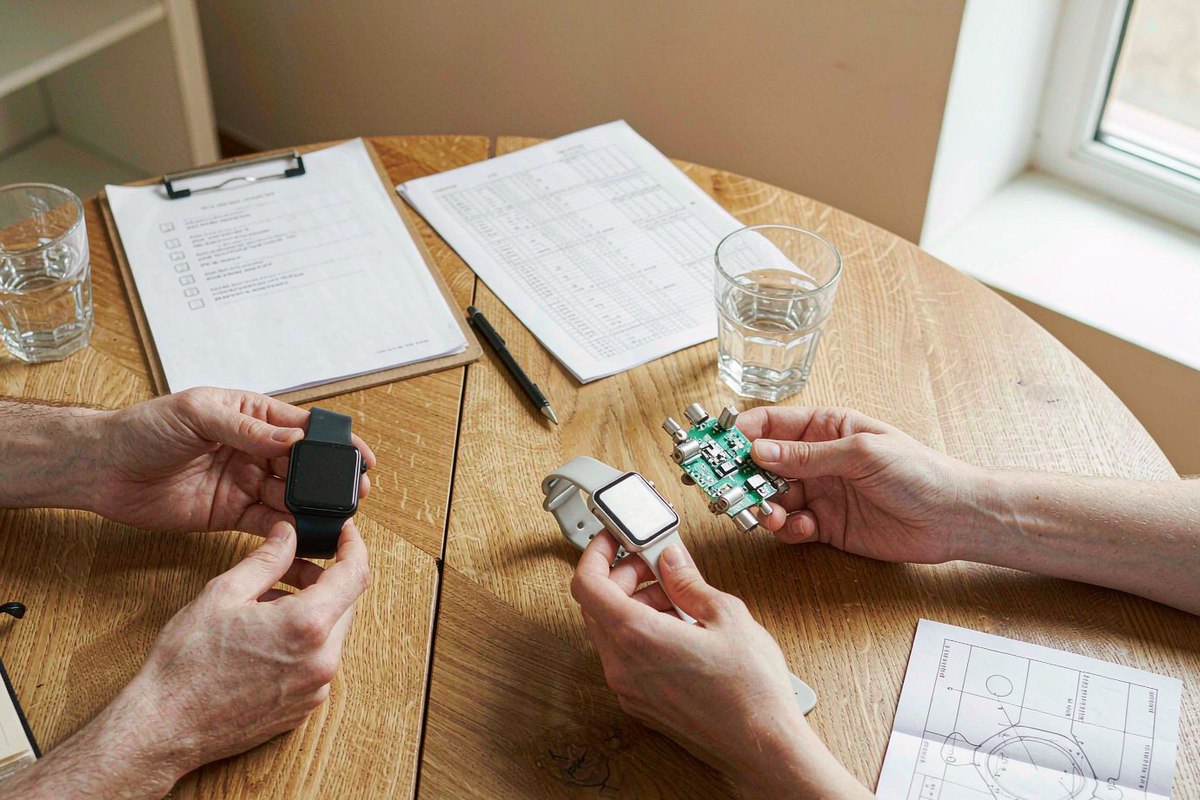
Choosing a manufacturing partner is the highest-stakes decision in a hardware brand's life. Price quotes are easy to compare; everything that actually determines your outcome is harder to see. This checklist distills what we've learned from both sides of the table.
1. Engineering Depth, Not Just Assembly
Ask whether the factory has its own firmware, app and algorithm teams — or assembles modules designed elsewhere. When a sensor behaves oddly at 3 a.m. before your launch, you need engineers who can open the source, not a salesperson relaying emails.
2. Quality Control You Can Audit
Look for a full IQC → IPQC → OQC inspection chain, a reliability lab (drop, water, temperature, battery cycling), and willingness to share defect-rate data from previous runs. A factory confident in its numbers will show them.
3. Certification Track Record
CE, FCC and RoHS are the baseline. If you target medical or specific markets, ask for documentation support experience in your destination market — it saves months.
4. Communication and Project Management
Baidu-translate roulette is a red flag. Insist on a dedicated project manager, weekly written updates, and English-speaking engineering contact during critical phases.
5. Total Cost of Ownership
The cheapest quote frequently loses money: rework, delays, warranty returns and re-orders with a second supplier. Evaluate tooling ownership, spare-part commitments and how change requests are priced.
6. MOQ Flexibility and Scalability
For market testing, low-MOQ OEM is precious; for growth, the same partner must scale to tens of thousands of units without quality drift. Ask how both phases are handled.
The right partner behaves like your hardware department — the wrong one behaves like a vendor.
Aiullain has run OEM/ODM programs for universities, medical companies and consumer brands across 30+ countries since 2015. Send us your requirements for a candid feasibility review.
Working on a Wearable Project?
Talk to the engineers behind these insights — inquiry replies within one business day.
Contact Aiullain